

The psychology of gambling Understanding the mind behind the thrill of Wonaco Casino
The Allure of Risk and Reward
The psychology of gambling is deeply rooted in the concepts of risk and reward. Players are often drawn to the thrill of risking their money for the potential of a significant payout. This sensation is amplified in environments like Wonaco Casino, where vibrant visuals and enticing sounds create an immersive experience. You might find, for instance, that visiting www.woocasino-app.com can enhance your understanding of these dynamics. The anticipation of winning fosters excitement, and this adrenaline rush is a major motivator for many gamblers.
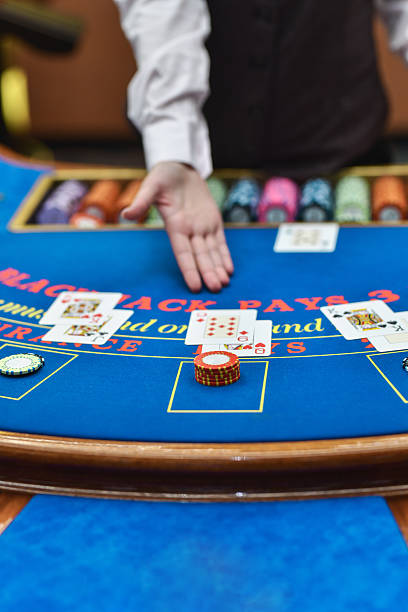
Moreover, the brain’s reward system plays a crucial role in gambling behavior. When a player wins, dopamine is released, which reinforces the behavior and encourages them to gamble again. This chemical reaction can create a cycle of addiction, as individuals chase the highs associated with winning, often ignoring the potential downsides of their behavior.
The Role of Cognitive Biases
Cognitive biases significantly influence gambling behavior, leading players to make irrational decisions. For instance, the gambler’s fallacy is a common phenomenon where individuals believe that past events will impact future outcomes, such as thinking a slot machine is “due” for a win after a series of losses. This misunderstanding of probability can lead to excessive gambling, as players become convinced that their luck will change.
In addition, the illusion of control plays a part in this psychological landscape. Gamblers often believe they can influence outcomes through skill or strategies, even in games of chance. This belief can enhance the enjoyment of the game, but it can also lead to overconfidence and increased betting, further entrenching individuals in a gambling cycle.
The Impact of Social Factors
Social influences also shape gambling behavior. Group dynamics can amplify the thrill of gambling, as individuals often partake in these activities with friends or family. Social casinos like Wonaco Casino cater to this by creating an environment where players can interact, share experiences, and compete, making the experience even more compelling.
Moreover, the cultural perceptions of gambling vary widely, with some societies embracing it as a form of entertainment while others view it as a vice. These societal attitudes can affect an individual’s willingness to gamble, as well as their overall enjoyment and participation in gaming activities.
The Psychology of Loss Aversion
Loss aversion is a significant psychological factor in gambling. It refers to the tendency for individuals to prefer avoiding losses over acquiring equivalent gains. This means that the pain of losing money in a casino often feels stronger than the joy of winning. Players may continue gambling in hopes of recouping losses, leading to a cycle of escalating bets and increasing financial risk.
Understanding loss aversion can provide insight into why individuals often find themselves trapped in a gambling cycle. The fear of loss can drive players to take greater risks, hoping for a win that will alleviate their financial distress. This complex interplay of emotions makes it essential for casinos, including Wonaco, to recognize the psychological impacts of their games on players.
Experience the Thrill of Wonaco Casino
Wonaco Casino offers an exhilarating platform for those seeking the excitement of gambling. With its user-friendly interface and wide selection of games, players can easily immerse themselves in a dynamic environment designed to maximize enjoyment. The combination of psychological stimulation and engaging gameplay makes it a favorite among many.
Understanding the psychology of gambling can enhance the experience at Wonaco Casino. By recognizing the factors that influence behavior, players can make more informed decisions, ensuring that their time spent at the casino remains enjoyable and controlled. Ultimately, knowing the mind behind the thrill can lead to a more rewarding gaming experience.